Peptalix Labs supplies the
best anti-aging peptides for laboratory and scientific research, covering the tissue-remodelling, melanogenesis, and longevity-research pathways most studied in dermal and ageing science. Our skin and anti-aging category includes copper tripeptides, melanocortin receptor analogues, SNARE-complex modulators, and synthetic longevity bioregulators — each independently batch-tested for purity and identity, GMP-sourced, and lyophilised for maximum stability.
What Are Skin & Anti-Aging Research Peptides?
Skin and anti-aging research peptides are compounds studied for their influence on collagen synthesis, melanocortin receptor signalling, and cellular longevity pathways. Compounds such as
GHK-Cu are studied for tissue remodelling, while
Epitalon is researched for its proposed role in telomerase activation.
Our Skin & Anti-Aging Research Range
The Peptalix Labs skin and anti-aging category includes:
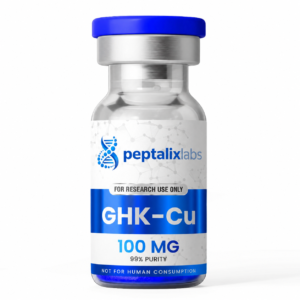
GHK-Cu 100mg — copper tripeptide studied for collagen synthesis and tissue remodelling
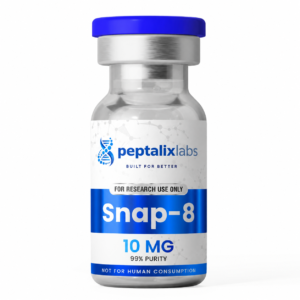
Snap-8 10mg — octapeptide studied for SNARE-complex modulation
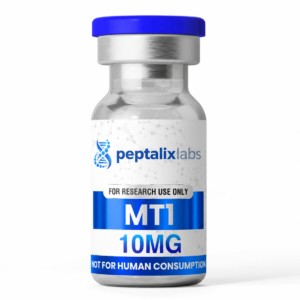
Melanotan I 10mg — linear alpha-MSH analogue, melanocortin research
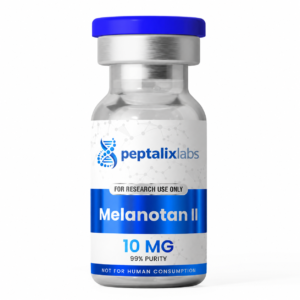
Melanotan II 10mg — cyclic alpha-MSH analogue, broader melanocortin research
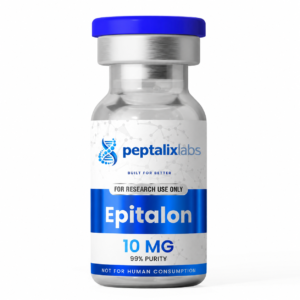
Epitalon 10mg — synthetic tetrapeptide bioregulator, longevity research
Quality Standards for Every Skin & Anti-Aging Compound
Every compound in this category is independently tested by Freedom Diagnostics using HPLC with UV detection coupled with mass spectrometry. Certificates of Analysis are published per batch, confirming identity, purity, and net peptide content.
Shipping Skin & Anti-Aging Research Peptides
Peptalix Labs ships all skin and anti-aging research compounds same-day from our USA facility on orders placed before the daily cut-off. International shipping is available to Canada, Australia, the United Kingdom, and most of Europe, with tracked delivery on every order.
Research Use Only. All compounds listed in this category are supplied strictly for in-vitro laboratory and scientific research. Not FDA-approved for human consumption, veterinary use, or clinical application.
Frequently Asked Questions — Skin & Anti-Aging Research Peptides
What is the best anti-aging peptide for research?
There is no single "best" compound — the right choice depends on the research mechanism being studied. GHK-Cu is most studied for collagen synthesis and tissue remodelling, Epitalon for telomerase and circadian research, and the Melanotans for melanocortin receptor pathways.
What is the difference between Melanotan I and Melanotan II?
Melanotan I is a linear alpha-MSH analogue studied for selective melanocortin-1 receptor activity. Melanotan II is a cyclic analogue studied for broader melanocortin receptor activity across multiple receptor subtypes.
Why is GHK-Cu blue in appearance?
GHK-Cu's blue colouration comes from its copper-binding structure — the tripeptide chelates a copper ion, giving the lyophilised powder its characteristic blue tint, consistent with published GHK-Cu product standards.
What purity level do Peptalix Labs skin and anti-aging peptides have?
All compounds in this category are independently batch-tested at 99%+ purity by Freedom Diagnostics using HPLC-UV and mass spectrometry. Individual Certificates of Analysis are published for every product and batch.
What is Snap-8 studied for?
Snap-8 is studied for its modulation of the SNARE protein complex, which is involved in neurotransmitter release at the dermal level, researched in the context of skin signalling pathways.
How are skin and anti-aging research peptides stored?
All compounds in this category are supplied as lyophilised powder and should be stored at -20°C prior to reconstitution. Once reconstituted with bacteriostatic water, store at 2-8°C and use within 28 days.
Does Peptalix Labs ship skin research peptides internationally?
Yes. All skin and anti-aging research compounds ship same-day from our USA facility, with international delivery available to Canada, Australia, the United Kingdom, and most of Europe.
What is Epitalon studied for in longevity research?
Epitalon is studied for its proposed role in telomerase activation and circadian rhythm regulation via pineal gland signalling pathways, with research literature spanning several decades.